If you’re planning an investment property renovation, or a full demolition, the things you’re ripping out may still hold undeducted value, and that remaining value may be claimable as a tax deduction in the year, they’re disposed of. This is known as scrapping. It works differently for plant and equipment (Division 40) and the building structure itself (Division 43).
Rules introduced on 9 May 2017 restrict the Division 40 side for second-hand residential purchases, and the claim generally requires the property to have been producing rental income before the works began. The part most investors miss: the documentation that supports a scrapping claim is best prepared by a quantity surveyor before demolition starts.
The deduction itself doesn’t vanish when the wall comes down, but the evidence for it can go with it. Whether a scrapping claim applies in your return is a decision for your accountant. The groundwork, though, happens before the first sledgehammer swing.
Can you claim a tax deduction when you complete an investment property renovation?
The renovation costs themselves are generally capital, not an immediate deduction, and your accountant will treat them accordingly. One opportunity many investors overlook sits on the other side of the renovation: the items being removed.
A five-year-old oven, the carpet you’re replacing, the wall you’re knocking through. All of these may still carry value that hasn’t yet been claimed through depreciation. Scrapping may allow that remaining value to be written off when the asset is disposed of.
Timing often determines whether the claim can be properly supported. Each asset’s residual value has to be documented while the asset still exists, which is why a quantity surveyor inspection before demolition matters so much.
What is scrapping?
When assets are removed, demolished or replaced, their remaining undeducted value may be written off in the year of disposal (a balancing adjustment). For second-hand residential property bought after 9 May 2017, Division 40 scrapping is restricted. Commercial property is unaffected, which makes commercial renovations a strong scrapping opportunity. A before-and-after QS inspection supports the claim.
Depreciation spreads an asset’s cost over its life. If the asset is thrown out partway through, the unclaimed portion doesn’t have to be wasted. Subject to eligibility, it may be deductible in the year the asset goes. The tax law deals with this through two separate mechanisms, one for plant and equipment and one for the building structure, and they work differently enough that they need to be understood separately.
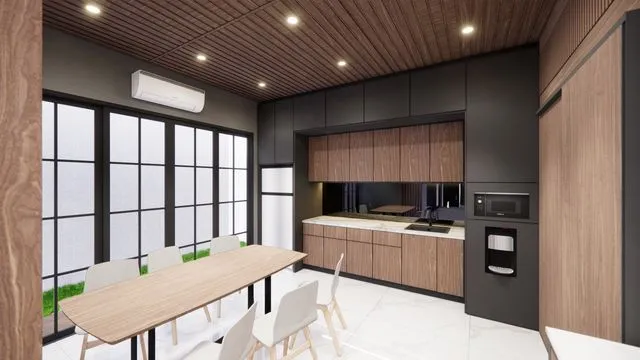
How scrapping works for plant and equipment (Division 40)
Plant and equipment means the removable assets in a property: ovens, carpets, air conditioning units, blinds, hot water systems and similar items. Each one is depreciated over its effective life, so at any point in time it has a written-down value, the portion of its cost not yet claimed.
When an asset is thrown out, its written-down value is compared with what you received for it. If it was worth more on paper than what you got when disposing of it (often nothing, when it goes in the bin), the difference may be deductible in the year that happens. This is what the tax law calls a balancing adjustment.
It can run the other way too. If you sold an old appliance secondhand for more than its written-down value, your accountant would treat any excess as assessable income. On most renovations the removed items go to the tip for nothing, so the deductible side is the usual outcome, but it’s worth knowing the adjustment can run either way depending on what you get for the asset.
That’s how it works for the dishwasher, the flooring and the split systems. The building itself is handled under a different provision entirely.
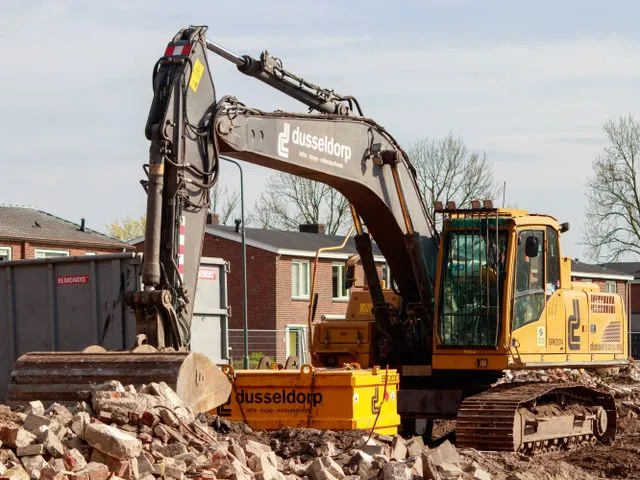
How scrapping works for the building itself (Division 43)
The building structure is a different story. Walls, floors, roofing and other capital works are claimed under Division 43, and demolishing them doesn’t trigger a balancing adjustment; it uses a separate deduction instead. If qualifying construction is demolished before you’ve claimed all the capital works deductions available on it, the remaining undeducted construction expenditure may be deductible in the year of demolition under the capital works rules, reduced by any insurance or salvage amounts you receive.
Voluntary demolition can qualify. You don’t need a fire or a flood. The ATO’s ruling on this confirms the deduction applies even where the destruction is a deliberate choice, and the ATO’s capital works guidance says the same. Knocking down a wall, or the whole house, to renovate or rebuild can trigger the deduction, provided the conditions are met.
So the two work differently: plant and equipment uses a balancing adjustment, capital works use a separate balancing deduction. Different rules, different calculations, and under the 2017 rules, different eligibility outcomes.
Does the property need to have been a rental before claiming scrapping?
Generally, yes. The capital works rules require the property to have been used to produce assessable income immediately before the destruction, or to not have been used for any purpose since it was last used that way. In practical terms, the property usually needs to have been a rental before the demolition.
This condition is easy to trip over in knockdown-rebuild plans. A property that has been owner-occupied right up to demolition day sits in a very different position to one that was tenanted until the works began. If your renovation or rebuild involves a change of use, the sequence of events matters, and it’s exactly the kind of question to put to your accountant before locking in dates.
What about second-hand residential property bought after 9 May 2017?
Since 9 May 2017, Division 40 deductions on previously used plant in second-hand residential property are restricted to the original owner or installer. New property, new plant the investor installs, substantially renovated property and commercial property are not affected. Division 43 capital works are unaffected, and typically make up the large majority of a residential claim.
For scrapping, that restriction flows through directly. If you bought an established residential property after 9 May 2017, the previously used plant and equipment that came with it generally can’t be depreciated by you, and generally can’t be scrapped by you either. The ATO’s guidance on second-hand depreciating assets sets out the rule in full. The Division 43 side, the building structure, remains claimable, and so does the balancing deduction when capital works are demolished.
Commercial property sits outside the restriction altogether, which is one reason commercial renovations are a strong scrapping opportunity.
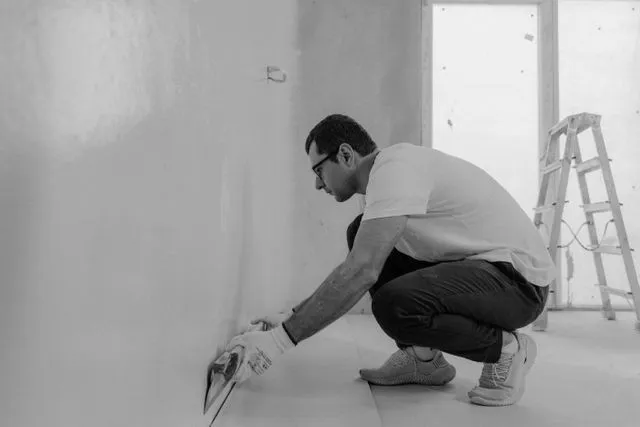
Why the inspection has to happen before you demolish
A scrapping claim rests on evidence of what existed and what it was worth before it was removed. That evidence can’t be reconstructed from a skip bin.
The ATO recognises appropriately qualified quantity surveyors as able to estimate construction costs where actual costs are not known. Accountants, valuers and real estate agents generally are not. Before demolition, the quantity surveyor inspects the property and documents an asset register: every item of plant and equipment, its condition, and its written-down value, along with the undeducted construction expenditure on the capital works being removed. After the renovation, a second inspection captures the new works and assets, and the schedule is updated so the new claims start correctly.
That before-and-after record is designed to support the figures your accountant relies on. Book the inspection before the builder starts, not after.
What can you claim after renovating an investment property?
Scrapping deals with what’s going out. The renovation also creates what’s coming in.
New capital works from the renovation, such as the new kitchen structure, the extension or the new roofing, begin their own Division 43 claims. Division 43 capital works are generally claimed at 2.5% a year for up to 40 years from original construction (a 4% over 25 years rate applies to limited categories). New plant and equipment you buy and install as the investor is claimable under Division 40, because the 2017 restriction applies to previously used plant, not to new assets you install yourself.
It also isn’t a once-only process. A property can be depreciated before a renovation, and the new capital works from a renovation start a fresh Division 43 claim from the date those works are completed. In principle, each round of renovation can add its own new claims to the schedule, so a property renovated more than once may carry deductions from several sets of works at the same time, each subject to its own eligibility. How that applies to your property is a matter for your accountant, and a current depreciation schedule from a quantity surveyor gives them the figures to work from.
Division 40 vs Division 43 scrapping at a glance
One sentence worth remembering: scrapping is claimed through two separate mechanisms, a Division 40 balancing adjustment for plant and equipment and a Division 43 balancing deduction for the building, and the 2017 rules restrict only the first of them.
| Division 40 (plant and equipment) | Division 43 (capital works) | |
|---|---|---|
| What it covers | Removable assets: ovens, carpets, air conditioning, blinds | The building structure: walls, floors, roofing |
| The mechanism | Balancing adjustment | Balancing deduction for undeducted construction expenditure |
| Impact of the 2017 rule | Restricted for previously used plant in second-hand residential property bought after 9 May 2017 | Unaffected |
| When it is claimed | The income year the balancing adjustment event occurs | The income year of destruction |
Talk to your accountant before you claim
Whether and how a scrapping claim is applied in your tax return is a decision for your accountant. Eligibility depends on your circumstances, when you bought, how the property has been used, and what the works involve.
TDA prepares the depreciation schedule and the before-and-after documentation that supports the claim. We identify what is claimable; we don’t advise on your return.
Renovating? Book your depreciation inspection before demolition
Once demolition starts, much of the evidence needed to support a scrapping claim can be lost. If you’re planning renovations, arrange a quantity surveyor inspection before work begins.
Reports are completed within 3 to 5 business days from receipt of all requested information and inspection completed, and residential schedules start from $450 plus GST.
Request a quote at tdaqs.com.au or call 1300 417 317.