If you’ve bought a second-hand or older property, you can still claim depreciation on it and for most investors, that claim is bigger than they expect.
What you can’t claim is depreciation on things already inside it when you bought it. Think old carpet, blinds, or the hot water system the previous owner installed. That rule has been in place since 2017. The building claim is usually the bigger part of a depreciation schedule anyway. So this restriction doesn’t wipe out your claim. It just changes what’s in it.
What changed for depreciation on second-hand property in 2017?

A law passed in 2017, the Treasury Laws Amendment (Housing Tax Integrity) Act 2017, changed the rules for rental properties. It stopped investors claiming depreciation on second-hand plant and equipment. Plant and equipment mean things like carpets, blinds, ovens, air conditioners and hot water systems. Anything removable, as opposed to the building itself.
The exact cut-off was 7:30pm on budget night, 9 May 2017. If you bought your property, or signed the contract, before that time, none of this applies to you. If it was after, the new rule kicks in from the 2017-18 tax year onward.
Why did the government do this?
Investors were buying a property, claiming depreciation on the carpet that came with it. They’d sell a few years later. The next owner would claim depreciation on that same carpet all over again. Multiple people were claiming a deduction on one item that was never new to any of them. The rule closed that off.
It only affects residential rental properties. If you own a shop, office or warehouse, none of this touches you.
What can you still claim on a second-hand property?
This is the part that matters most, and it’s good news.
You can still claim depreciation on the building itself: the concrete, the brickwork, the roof, all the structural stuff. This is called Division 43. It’s generally worth 2.5% of the original construction cost, every year. You can claim it for up to 40 years from the day the building was finished. (A small number of buildings get a slightly different rate.) But 2.5% over 40 years applies to almost everyone.
None of that changed in 2017. Buy a second-hand house today and you can still claim this. You get however many years are left of that 40-year window.
You can also claim:
-
- Anything you buy and install yourself after you move in. New oven, new carpet, new air con: all claimable. That’s because you’re the first person to own it.
-
- Anything in the property that’s been through a substantial renovation. Doesn’t matter whether you did the renovation or the previous owner did.
One thing worth knowing: that 40-year window doesn’t restart when you buy the place. It’s counted from when the building was originally finished.
For example, if you buy a 15-year-old house, you get the 25 years that are left. Not a fresh 40.
What can’t you claim on a second-hand property?
Some places dance around this bit because it sounds like bad news. We’d rather just tell you straight.
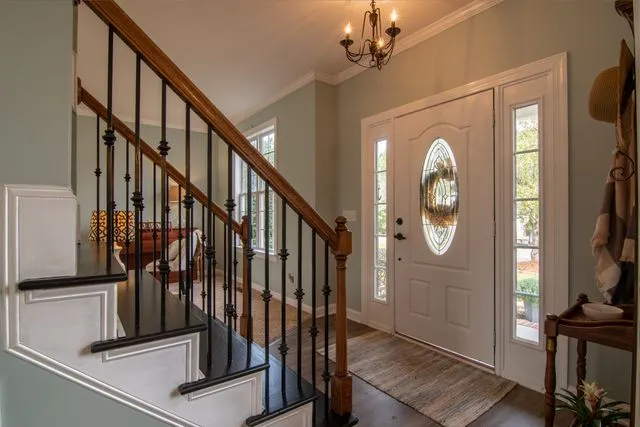
Say you bought a second-hand house or unit after 9 May 2017. You can’t claim depreciation on plant and equipment that was already there. Think carpet, blinds, oven, air conditioning, hot water system. If the previous owner put it in, and you didn’t, it’s off the table.
The ATO’s guidance on second-hand depreciating assets sets the rule out in full.
That’s a genuine loss on that part of the claim. But don’t let it worry you too much. The building claim, Division 43 from above, is usually the bigger half of any depreciation schedule. Losing minor asset deductions doesn’t compromise the validity of the overall depreciation claim, it just reshapes it.
Does the second-hand property depreciation rule apply to you?
There are four situations where it doesn’t apply at all:
-
- Brand new property: Nobody’s lived in it or rented it out before. You get everything.
-
- New plant you install yourself: Anything you buy after you take ownership is fair game.
-
- A substantially renovated property: Doesn’t matter who did the renovation, it’s claimable.
Commercial property: This rule was only ever about houses and units. Shops, offices and warehouses were never affected.
| Second-hand house or unit | New build | Shop, office or warehouse | |
| The building itself | Claimable | Claimable | Claimable |
| Old plant and equipment already there | Not claimable | n/a | Claimable |
| New plant and equipment you install | Claimable | Claimable | Claimable |
| Removing and replacing old assets | Restricted | Claimable | Claimable |
Claiming depreciation on a renovated second-hand property
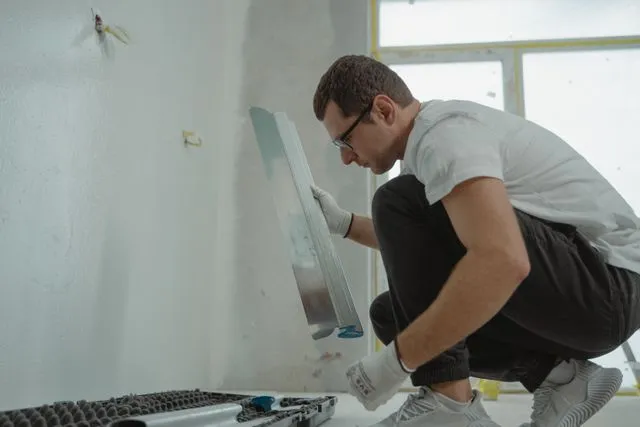
Say you buy a second-hand house the previous owner renovated five years ago. New kitchen, new bathroom, maybe an extension out the back.
Good news: you get to claim depreciation on that renovation. That’s true even though you didn’t pay for it or live there while it happened. It doesn’t matter who did the work. What matters is that the work was done, and it wasn’t there before.
Here’s why:
Every time a building gets a genuine renovation, it starts its own building claim. That’s not a coat of paint, but an actual rebuild of part of the structure. The claim runs for up to 40 years from the day the renovation was finished. It’s separate from the claim on the rest of the house. That original claim keeps running on its own 40-year clock.
An older house can end up with two, three, even more of these claims. One claim for the original build, and one for each round of renovation since. You inherit all of them when you buy the place. It doesn’t matter who paid for the work.
This is exactly why an inspection matters so much on an older property. It’s hard to guess, just by looking at a kitchen, whether it’s original or a renovation. It’s also hard to guess how much of its 40-year claim is left. A quantity surveyor works that out by inspecting the property. Where needed, they’ll check council and building records too.
One thing this doesn’t change: the plant and equipment restriction from 2017 still applies. It applies to whatever was already there when you bought it, renovated or not. Say the previous owner put in a new oven as part of their renovation. If you bought the place after them, that oven still isn’t claimable by you. But the renovation work itself is different. The new cabinetry, the new tiling, the structural changes, all sit under the building claim. That part is yours.
If you’re planning to renovate yourself after buying, the same rule works in your favour. Your renovation starts its own fresh 40-year claim. Any new plant and equipment you install is fully claimable too. No restriction at all.
How much can you claim in depreciation on an older property?
Picture the worst-case scenario: a second-hand property where you can’t claim any plant and equipment. Even then, the building claim alone can still add up to a solid yearly deduction. It depends on how big the building is and how old it is. It also depends on how much of that 40-year window is left.
The exact number is different for every property. It depends on what it costs to build and how old it is. It also depends on what’s been done to it since. That’s what a proper depreciation schedule works out for you. It’s based on an actual inspection of your property, not a guess.
Can you claim missed depreciation on a second-hand property?
If you’ve owned your property for a while, you might be able to fix that. That’s true even if you never got a depreciation schedule done. Talk to your accountant. They can look at amending past tax returns. This generally goes back two years if you’re an individual. It’s longer for some other taxpayers.
Here’s how the two of us work together.
TDA puts together or updates the schedule with the correct numbers. Your accountant is the one who actually lodges the amendment. They decide whether it makes sense for your situation.
Why you need a quantity surveyor to claim depreciation on a second-hand property
Working out what a building costs to construct isn’t your accountant’s job. That’s especially true years after it was built. It’s a construction question, not an accounting one.
The ATO has a specific ruling: TR 97/25. It says quantity surveyors are qualified to estimate these construction costs. That applies when the original invoices aren’t available. Accountants, valuers and real estate agents generally aren’t recognised for this. TDA’s schedules are prepared by qualified Quantity Surveyors. We’re AIQS-certified too.
Research suggests around 7 in 10 property investors don’t claim all the depreciation they’re entitled to. Most of the time, it’s simply because nobody’s ever done a proper schedule for them.
Get a depreciation schedule for your second-hand property
If you’ve bought an established property, get a quote for a depreciation schedule. Find out exactly what applies to you.
Residential schedules start from $450 plus GST, and the fee itself is 100% tax deductible. You’ll have your report within 3 to 5 business days.
If we can’t get you at least double our fee back in deductions in the first full financial year, you won’t be charged for the service.
Conditions apply, see tdaqs.com.au. 1300 417 317 · tdaqs.com.au