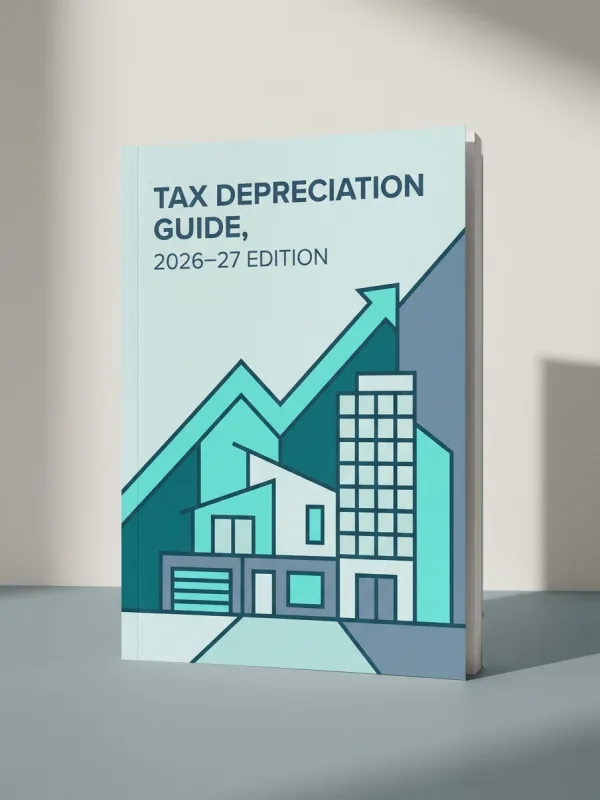
As a commercial office owner, one of the ways to maximise your return on investment is by claiming tax depreciation. This refers to the process of deducting the cost of a commercial office or any other income-generating property over time, in order to lower your tax bill. Tax depreciation is a crucial component of effective tax planning and it can have a significant impact on the overall profitability of your business.
Why is Tax Depreciation Important?
Tax depreciation allows commercial office owners to recoup the cost of their property over time. It takes into account the gradual wear and tear of the building and its fixtures, such as carpeting, light fixtures, and HVAC systems. This allows you to deduct the costs of these items from your taxable income, which reduces your overall tax bill.
The tax savings from depreciation can be substantial, especially for larger commercial properties. This is because the amount of depreciation that can be claimed is based on the size, age, and type of the property, as well as the specific components that are being depreciated. For example, a commercial office that is 25 years old and has a total taxable value of $1 million could potentially generate thousands of dollars in tax savings over the course of its useful life.
Another important aspect of tax depreciation is that it provides a predictable source of income. This means that you can plan your tax payments in advance, and make informed decisions about how to allocate your financial resources. By claiming tax depreciation, you can take advantage of this predictable source of income to reinvest in your business, purchase new assets, or pay down debt.
How to Claim Tax Depreciation
To claim tax depreciation, you must first determine the taxable value of your commercial office. This is calculated by subtracting the value of any land that is included in the property from its total value. The taxable value is then divided by the number of years over which the property is expected to generate income, which is referred to as its “useful life.”
Once you have determined the taxable value of your commercial office, you can then calculate the amount of depreciation that can be claimed each year. This is done by applying a depreciation rate, which is determined by the tax authorities. The rate depends on the type of property and the specific components that are being depreciated.
It is important to note that claiming tax depreciation requires a detailed understanding of tax laws and regulations. It is recommended that you seek the advice of a tax professional or a qualified quantity surveyor to ensure that your claims are accurate and in compliance with all applicable laws and regulations.
Conclusion
In conclusion, claiming tax depreciation on a commercial office is an important component of effective tax planning. It allows you to reduce your tax bill, generate a predictable source of income, and make informed decisions about how to allocate your financial resources. Whether you are a seasoned commercial property owner or just starting out, taking advantage of tax depreciation can help you maximise your return on investment and achieve your financial goals.